Purchasing sim racing equipment through our links may generate a sales commission for Rig & Rail at no extra cost to you. How Rig & Rail earns affiliate commissions
A sim racing wheel transforms how racing games feel. The motor inside the wheelbase generates force feedback—the resistance and vibrations that tell you about tire grip, road texture, and collision. That motor type matters more than most other specs because it directly shapes how realistically you perceive the virtual track.
Direct drive wheelbases have become the standard for serious sim racers because they connect the motor straight to the wheel rim with no mechanical intermediaries. That simplicity pays off in stronger, more precise feedback than belt-driven or gear-driven alternatives, and it means your wheelbase will likely last longer under heavy use.
Your choice comes down to one practical question: do you want a complete ready-to-race bundle with pedals and a wheel included, or just the wheelbase so you can pair it with pedals and a rim you already own or prefer?
How Direct Drive Works and Why It Matters
Generally, cheaper setups tend to have gear-driven systems, and the quality of that system can vary somewhat. Direct drive, however, attaches you directly to a powerful motor, giving a much more accurate driving feel. The motor spins and the wheel turns in response—no gears or belts translate that motion. Direct drive racing wheels are so much better than gear and belt alternatives thanks to their larger motor and the way it is connected to your steering wheel. By using high power motors, a direct drive wheel base can produce much stronger forces, sometimes up to 30Nm of torque.
That torque number—measured in Newton-meters (Nm)—tells you how hard the wheelbase can push or pull your hands. Entry-level direct drive systems typically deliver 8–12 Nm. Enthusiast-grade bases go to 15–23 Nm. More torque means more detailed feedback, but it also requires a sturdy rig and careful pedal placement so you don't accidentally over-steer during intense moments.
The real difference you'll feel: a direct drive wheel communicates tire slip instantly and precisely, letting you catch a sliding car before it's too late. Gear-driven wheels feel delayed and noisier. Belt systems sit in the middle but wear out faster under constant use.
Complete Bundles vs. Standalone Bases
Direct drive bundles pair the wheelbase with a steering rim, pedals, and usually a mounting clamp. You unbox it and bolt it to your rig. A standalone wheelbase gives you the motor and mounting interface but nothing else—you need to source a compatible rim and pedals separately.
Bundles work best if you're building your first sim rig and don't yet have a pedal set or a rim preference. Standalone bases appeal to racers who already own quality pedals or want to swap wheel rims depending on whether they're driving formula cars, road cars, or rallying.
For a complete, ready-to-play bundle, the Moza R5 is the best entry-level direct-drive model, and the Moza R12 the best mid-range option. Those systems come with everything you need to start. On a PC, the best value for the money in 2026 is the Simagic Alpha Evo, if you're putting together your own setup (this is just the base unit).
What to Check Before Buying
PC Compatibility: Verify the wheelbase supports your racing software. Most modern direct drive systems work with iRacing, Assetto Corsa Competizione, rFactor 2, and other sims via standard USB or Ethernet. Check the seller page or manufacturer manual for your specific titles.
Torque and Your Setup: Higher torque feels more immersive but demands a solid mounting frame. If your rig is light or your desk is thin, a 12 Nm base will strain it less than a 23 Nm unit. Ensure your seat and pedal platform won't shift when the wheel fights back hard.
Rim Compatibility: Standalone wheel rims are not universal. A Simagic rim only fits Simagic bases; a Thrustmaster rim only fits Thrustmaster hardware. If you're buying a bare base, confirm which rims are compatible and check their cost separately—some aftermarket rims run $300–$500 alone.
Pedals: Entry-level bundles often include load-cell brake pedals, which respond to pressure rather than travel distance and give better feedback for braking feel. Budget pedals use simple switches. If a bundle's pedals don't suit you, plan to upgrade them later—they're the most frequently replaced component in a sim rig.
Mounting Method: Most wheelbases clamp to a desk or cockpit frame. Check whether the clamp fits your surface thickness and whether you prefer a quick-release wheel mount or a permanent bolt. Some bases use proprietary quick-release standards.
Selected Options for PC Racing

This listing combines a direct drive wheelbase with pedals into one package. Verify exact torque output, rim compatibility, and pedal specifications on the seller page before purchase, as marketplace titles often abbreviate those details. Check current price and shipping to your country at checkout.

A standalone 12 Nm direct drive base with table clamp. Confirm compatibility with your intended wheel rims and verify the clamp fits your rig's surface. This approach suits racers who already own compatible pedals or plan to buy them separately.

A replacement steering wheel rim. This is not a complete system—it requires an existing compatible wheelbase (verify the exact base model on the seller page). Suitable for racers upgrading from stock rims to a formula or rally wheel shape.
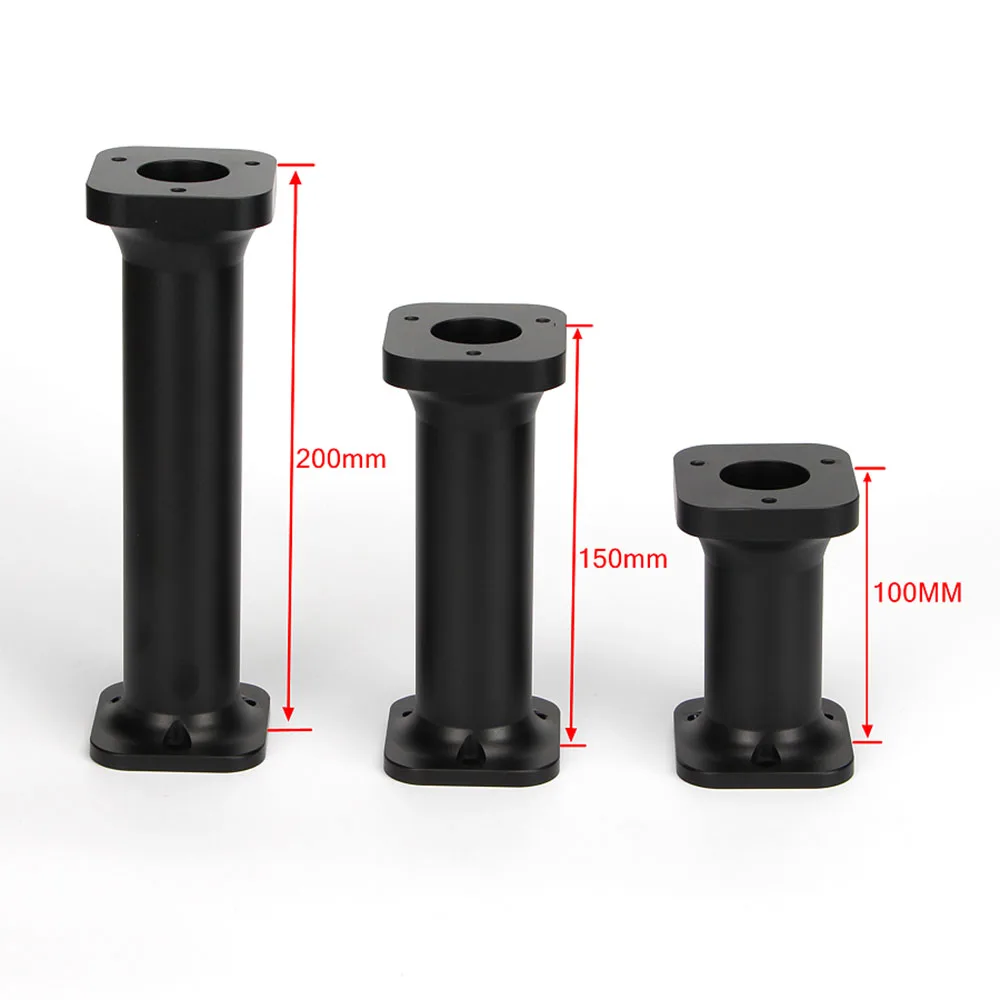
A shaft extension rod for specific direct drive bases. This accessory increases the distance between the wheelbase and rim, helping accommodate taller drivers or adjust ergonomics in tight cockpits. Confirm compatibility with your exact base model before ordering.
Narrowing Your Choice
If you're new to sim racing: Start with a complete bundle in the 8–12 Nm range. You'll avoid compatibility headaches and get everything needed to race immediately. As your skills grow, you can upgrade pedals or swap rims without replacing the base.
If you're upgrading from a belt-drive or gear-driven wheel: A standalone direct drive base lets you keep your pedals and explore different rim shapes. Higher torque (15+ Nm) will feel dramatically different from your old setup, so factor in rig reinforcement if your current frame is lightweight.
If you're building a dedicated cockpit: Invest in a sturdy aluminum rig frame before buying a high-torque base (20+ Nm). The feedback will be wasted if your setup flexes or shifts under load. A solid frame costs $500–$2,000 but lets you fully realize a premium wheelbase's potential.
For budget-conscious racers: Entry-level direct drive bundles ($600–$1,000) offer enough torque to feel the difference from older tech without overextending your rig. Once you're comfortable with direct drive feedback, upgrading pedals delivers more value than chasing peak torque numbers.
Availability and Delivery
Direct drive wheelbases are available in the US marketplace, though some models have limited regional stock. Check the seller page for current pricing, shipping timeframe, and return policy. Prices fluctuate and variants (torque levels, included rims, pedal types) vary significantly between listings—verify exact specifications and compatibility before checkout.
If a bundle includes pedals or a rim you don't want, look for the base-only option separately; it often costs less and gives you control over the final setup.
Evaluation is based on published specifications and seller listings. No physical or hands-on testing was conducted; unlisted specifications may still be available from the seller.

